

Utah’s 3,000 Black Bears Are On The Move As Hyperphagia Sets In
There are more than 3,000 black bears in Utah and as the summer starts winding down they go into a mode of packing in the calories to be ready for winter. This obsession with constant eating is called hyperphagia.
Bears on the Move: From Wilderness to Campsites and Even Neighborhoods
This need to find food will intensify as the year winds down and the bears become more noticeable to people. As they search for food they roam further from the wild parts of Utah and closer to populated areas.
With Utah suffering from drought this year, the bears have already been approaching places where the people are and they have been getting more comfortable being near campsites and cabins. As they move into hyperphagia this could make them even more bold.
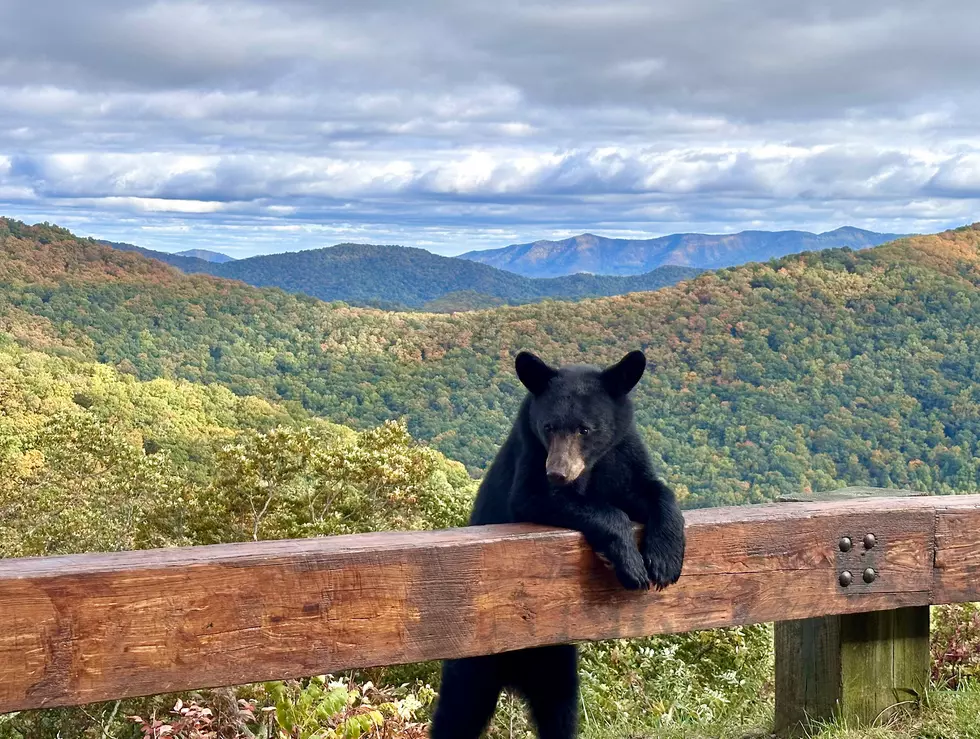
Staying Safe: How to Coexist with Bears
Wildlife officials are reminding folks that when they head into areas bears live to be vigilant. That means not leaving food out, and disposing of trash in bear proof containers.
It can be bad for a bear if it continuously finds food around humans. It loses its fear and can become aggressive. Sometimes wild life officials have no choice but to put the bear down. Keeping human food from bears can keep them alive.
Read More: How An Umbrella Can Protect You From Aggressive Wildlife
Many people who have lived in Utah for years have never seen a black bear in the wild. With less available food to forage and the combination of the need to eat almost constantly, this may be the year you see one.
LOOK: Here are the states where you are most likely to hit an animal
Gallery Credit: Dom DiFurio & Jacob Osborn